
LISTEN CASE STUDY
Listening to every customer
Locations Tested
The Cost
Customer Locations
Impact
Replaced months-long research cycles with days
Scaled research across 300+ US locations to hear from customers in every market
Launched wraps across 67 restaurants after rapid customer testing
Released a live macro-tracking feature within weeks of customer research
Built a 100g protein bowl in direct response to customer demand
5x the scale at one-third the cost
Sweetgreen exists because three college students listened.

In 2007, Sweetgreen CEO Jonathan Neman and his Georgetown roommates Nicolas Jammet and Nathaniel Ru kept running into the same problem: they wanted to eat well, but the options around them were either fast and bad or slow and expensive. Real food, cooked fresh, at a price that made sense, simply wasn’t there.
So they built it themselves.
“We founded Sweetgreen with the simple mission of building healthier communities by connecting people to real food.”
Jonathan Neman
Three months after graduating, they opened a 560-square-foot restaurant on M Street in Washington D.C.
The menu was small. The ingredients came from local farmers. The idea was straightforward: people want real food, and if you give it to them, they’ll show up.
And they did. They kept showing up.
Sweetgreen has grown to nearly 300 locations across the country over the past 18 years, with an ever-expanding menu; partnering with farms around the US.
But the original instinct, that there was a real desire for something better and that listening to people would tell you exactly what to build, has never left.
“I think we kind of keep that as a core belief system at Sweetgreen,” said Brian Davia, the company’s Head of Consumer and Business Insights, who also attended Georgetown.

With scale came new challenges
As Sweetgreen scaled nationally, its customer base reflected distinct regional preferences. A customer in LA doesn’t want the same thing in their bowl as a customer in New York. Getting feedback from all of them quickly enough to act on became a real constraint.
For Jonathan, this is a cultural issue as much as an operational one. The food industry moves fast: trends shift, customer expectations change.
“We have this term: moving at the speed of culture. Especially today, culture is moving so quickly, so being able to move with culture faster is really, really important.”
Jonathan Neman
Brian’s team felt this every day. Traditional research meant recruiting a small sample, coordinating schedules, and waiting. Results often took weeks to come back and by the time they arrived, the window to act on them had already closed. Even when the timing worked, the data often didn’t go deep enough.
“The number one problem we were facing as a research team was we could not do things as quickly as we needed to,” Brian said. “And even when we did, we felt like it didn’t quite have the depth or the texture or the underlying ‘why’ behind some of the data that we would get back.”
Old methods also forced the team to choose: move fast with thin, quantitative data, or move slow with rich, qualitative insight. Every project meant picking one, never both.

From question to insight in 4 days
When Sweetgreen started using Listen, this timeline shifted immediately.
“I have sat in a Monday morning meeting with an executive team and been posed a question,” Brian said, “and by Thursday morning I have data back, results and insight from a study that we ran with Listen, that never would have been possible with all of our old methodologies.”
The depth improved too. Listen combines quantitative scale with qualitative texture in a single study, so the team stopped having to choose between the two.
“Now we don’t have to choose” Brian said. “We get all the insights, and it’s better for the customer and for the business because we can iterate and innovate on more things at once.”
Jonathan saw this play out directly during the development of Sweetgreen’s wraps, a new product format the company had been testing. Getting rapid customer feedback on the details, from how they should be constructed to pricing to naming, would previously have taken months of separate research rounds.
With Listen, the team could test and learn fast enough to actually shape the launch. The wraps expanded into 67 restaurants.
“Ultimately we made the decision to do what the customer wants and figure it out,” Jonathan said.
“Our customers have the answers, and listening to them is really the key to unlocking the next phases of growth and innovation for the company.”
Jonathan Neman
From research to restaurant in weeks
Introducing the nutrition calculator proved how faster research unlocks real business change downstream.
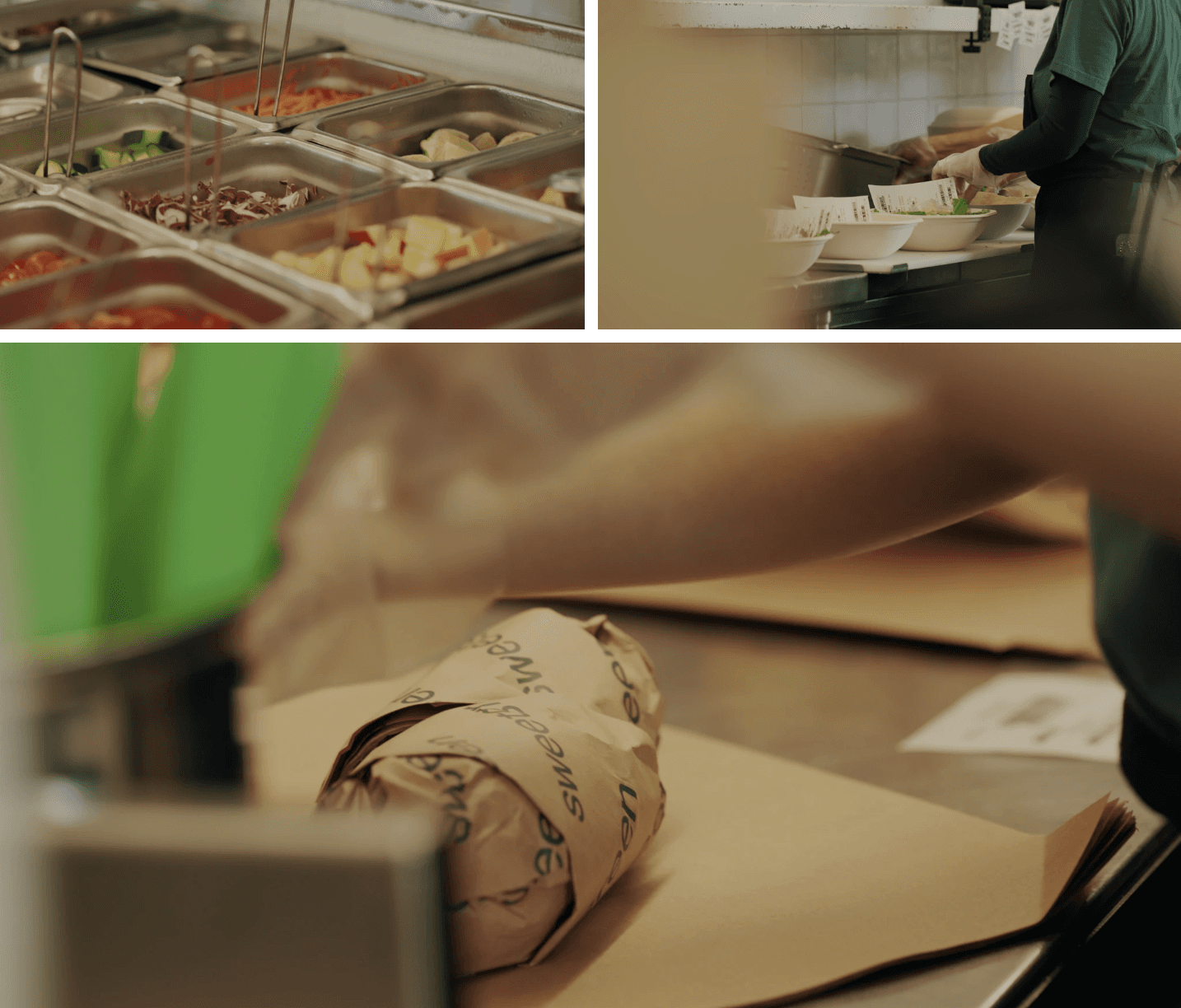
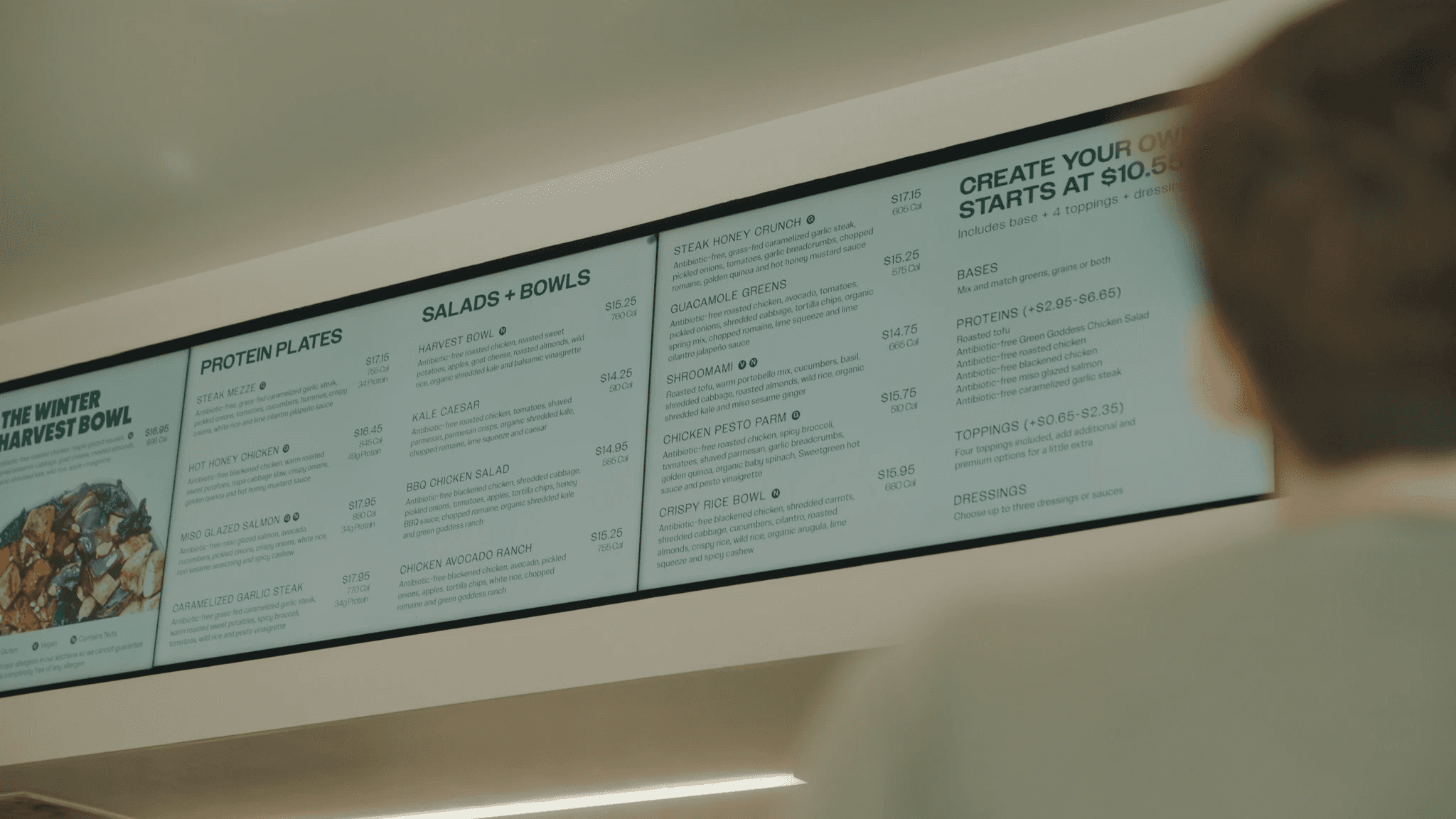
When Sweetgreen ran a study on personalized nutrition goals, the customers were clear: they wanted a live macro-tracking feature built into the app. Within a month of the study completing, the feature was live, timed to land in January when customers are most focused on their health. Engagement was strong immediately.
Before Listen, that process would have required separate quantitative and qualitative studies running in sequence, taking months. The insight would likely have arrived too late to act on.
“By having the speed to insight, insights can lead to actions. Those actions are then showing up in the real world at real Sweetgreen restaurants within weeks or months instead of years.”
Brian Davia
Doing 5x the research at half the cost
The speed came with an economic shift too. Sweetgreen’s marketing and research budget did not grow, but what they could do with it did.
“Our marketing budget hasn’t changed or decreased,” Jonathan said. “We just do 10 times more with it now.”
Brian’s team sees the same thing on the research side.
“For half the cost, we can have five times as many responses on all of the research that we run,” Brian said. “Not to mention that we’re getting the results turned around and analyzed in about a tenth of the time.”
More studies, markets, and customers heard from, at a fraction of what it used to cost.
Listening as a competitive advantage
For Jonathan, this is not just about research efficiency.
It is about staying true to the instinct that started the company in the first place.
“Our goal is not just to build a great business, but to be a positive impact on the overall food system,” he said. “Just eat real food. It’s not that complicated. And that’s kind of what we’re trying to do.”
Brian sees the shift to AI-powered research as the new standard, not a temporary edge.
“This is going to be the standard of how we run research and how we really connect with our customers to get this level of insight,”
Brian Davia
Sweetgreen was built on listening. Three people heard what was missing, built it, and kept asking customers what they wanted next.
With Listen Labs, they can do that across every market and every week, without having to wait for the answer.
See how Listen can work for your team. Book a demo below.

Use Case
© 2026 Listen Labs • All rights reserved